October 8, 2026
Achieving a lush, vibrant lawn that remains resilient throughout changing seasons requires more than routine watering and periodic mowing. A healthy landscape depends on underlying soil structure, root depth, and nutrient density supporting grass growth beneath the surface. When establishing new turf or restoring degraded ground cover, property owners face choices regarding seeding versus sod installation. While seeding requires extended germination periods and leaves topsoil exposed to environmental stressors, installing mature turf grass provides immediate ground cover that stabilizes soil conditions right away. Understanding the role professional cultivators play in delivering mature, disease-resistant turf varieties is essential for anyone seeking long-term environmental benefits and lasting visual appeal across residential or commercial grounds.
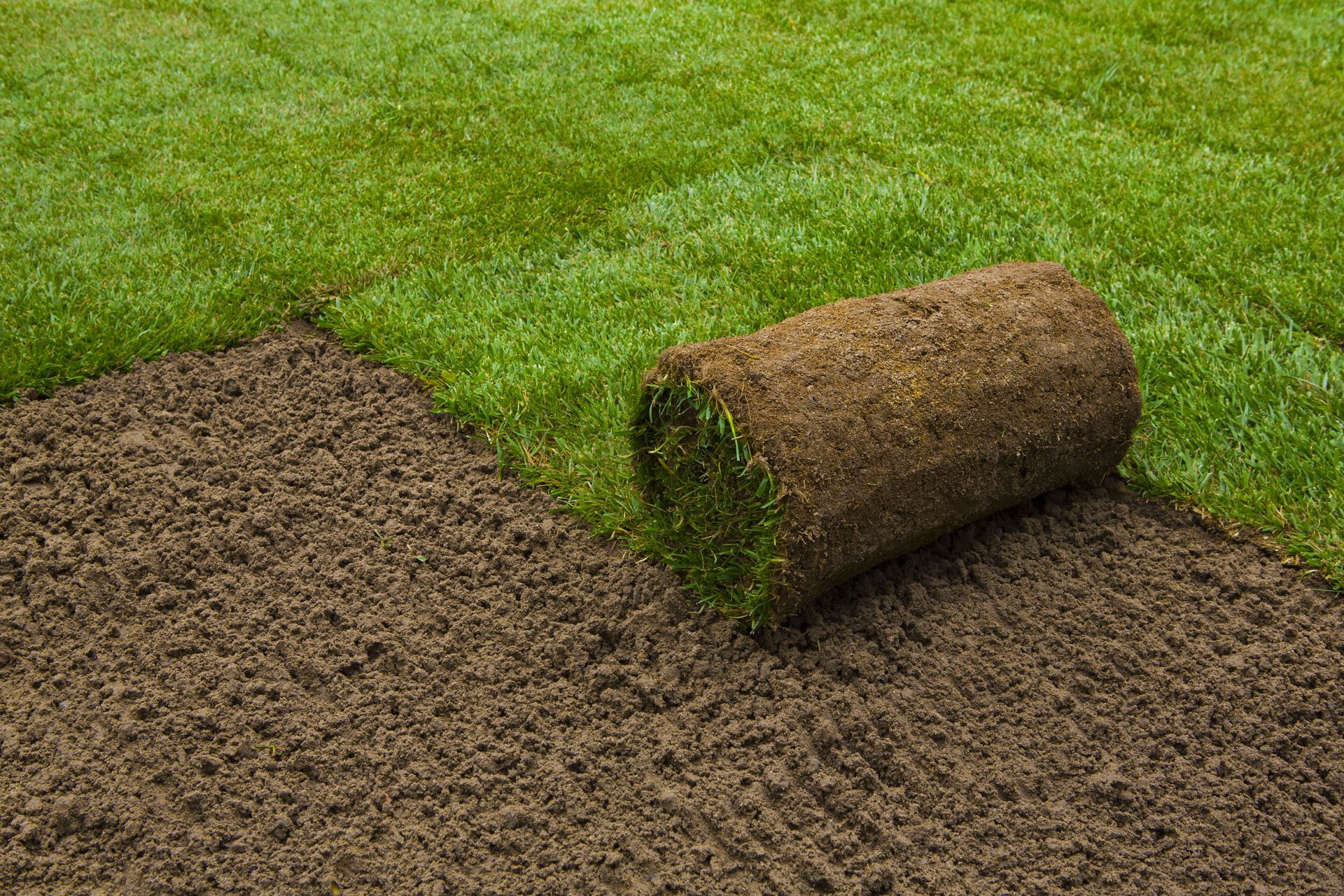
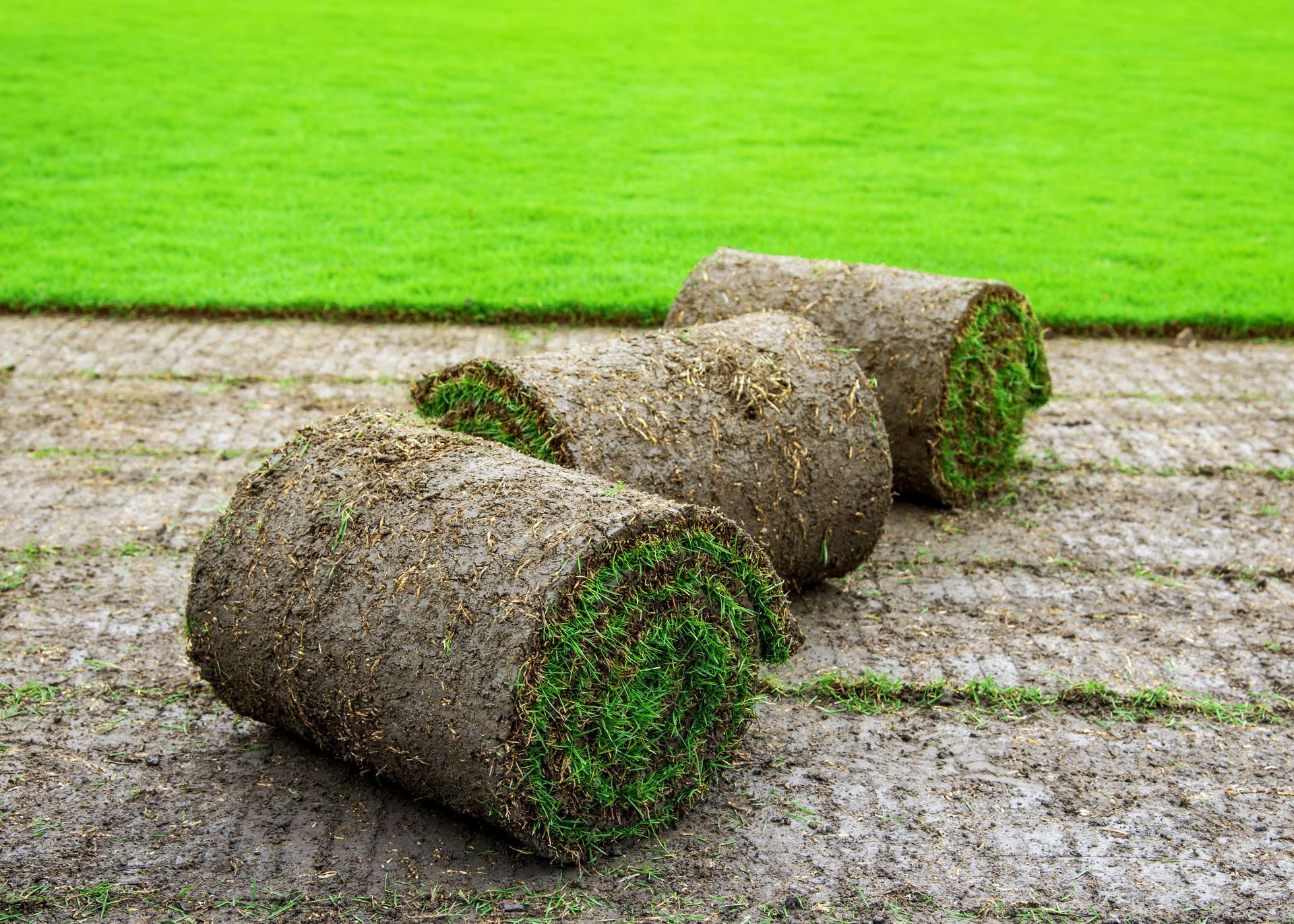
Working alongside reputable sod suppliers allows property owners to select specialized grass cultivars tailored to specific regional climates, soil types, and sunlight exposures. Rather than attempting to cultivate delicate grass seedlings under unpredictable weather conditions, utilizing farm-grown turf establishes an instant biological barrier protecting topsoil integrity. Professional growers harvest mature grass rolls with established root mats and organic matter intact, ensuring seamless integration into existing landscapes.
Establishing Strong Root Structures
The foundation of any thriving lawn lies within its root system, anchoring turf and absorbing vital subterranean nutrients. Farm-cultivated turf grass undergoes months of meticulous care, root development, and fertilization before harvesting. By the time mature turf arrives at an installation site, its interconnected root network forms a tight matrix binding directly with local subsoil layers. This biological connection facilitates rapid moisture intake and accelerates nutrient transport throughout the plant structure.
Conversely, growing a lawn from seed leaves soil loose and exposed, increasing susceptibility to severe compaction and heavy nutrient runoff. Young grass seedlings struggle to penetrate compacted subsoil, resulting in shallow root bases that collapse under heat stress or heavy foot traffic. Consulting knowledgeable sod suppliers ensures property owners receive mature turf varieties featuring deep-rooting characteristics optimized for local soil profiles. These robust root networks penetrate deeply into subsoil layers, breaking up dense clay deposits and improving overall soil aeration over time.
Deep root networks also create subterranean channels, enhancing soil microbial activity. Beneficial soil organisms, such as earthworms and mycorrhizal fungi, thrive in stable root environments where organic matter accumulates naturally. As root systems expand and regenerate, decaying root tissues deposit organic carbon deep into the earth, enriching local soil biology and fostering long-term fertility without requiring excessive chemical amendments.
Enhancing Natural Soil Composition
Soil health depends on a balanced blend of minerals, organic matter, air pockets, and moisture-retaining organisms. When land is cleared or left barren, topsoil loses its organic layer through exposure to harsh sunlight, wind abrasion, and rainwater erosion. Installing thick, farm-grown turf grass acts as a living blanket insulating underlying earth from temperature fluctuations. This protective cover keeps soil temperatures steady, preventing sensitive microbial communities from dying off during intense summer heat or winter spells.
Sod fields are managed under optimal agricultural conditions where soil balance is continuously monitored and refined. When harvested, mature grass rolls carry a layer of nutrient-rich topsoil and organic thatch directly to your property. Sourcing turf through established sod suppliers ensures this high-quality organic material integrates directly into your existing ground base. Over time, as grass blades naturally shed and decompose, they contribute ongoing organic material, feeding beneficial soil bacteria and improving overall soil structure.
Furthermore, a healthy turf canopy prevents soil crusting, a condition where heavy rainfall packs bare earth into a dense barrier. Soil crusting blocks oxygen exchange and prevents rainwater from absorbing deep into the root zone. Dense grass cover breaks the impact of falling raindrops, allowing moisture to filter gently into loosened topsoil layers. This natural filtering action maintains soil porosity, ensuring essential gases and nutrients move freely through the root zone.
Preventing Severe Erosion Problems
Soil erosion poses a significant threat to landscape stability, often stripping properties of valuable topsoil during heavy storms or seasonal downpours. Exposed soil on sloped terrain or near drainage paths washes away easily, carving unsightly gullies and polluting stormwater systems with sediment. Installing pre-grown grass creates immediate surface stabilization, securing loose soil particles within an intertwined matrix of roots and stolons resisting water displacement.
The physical barrier formed by mature turf slows down surface runoff, allowing water to percolate gradually into the ground rather than washing topsoil away. Working with experienced sod suppliers enables property owners to select deep-rooted grass strains specifically engineered for slope stabilization and high-flow drainage areas. These specialized grass varieties hold fragile hillside soils firmly in place, preventing structural land degradation and protecting neighboring infrastructure from runoff damage.
In addition to preventing water erosion, established turf offers defense against wind-driven soil loss. In arid or windy regions, dry topsoil blows away easily, depleting land of essential organic nutrients and creating airborne dust hazards. A dense grass blanket traps airborne dust particles and shields dry topsoil from gusting winds. Maintaining continuous ground cover preserves valuable topsoil layers, keeping soil biology intact and preventing dust pollution around residential living areas.
Suppressing Invasive Weed Growth
Invasive weeds compete aggressively with desirable lawn grasses for sunlight, subterranean moisture, and essential soil nutrients. Weed infestations weaken turf health, sap soil fertility, and ruin the uniform appearance of residential landscapes. When establishing a lawn from seed, broadleaf weeds and opportunistic grasses often germinate faster than turf seedlings, choking out young grass before it establishes a foothold.
Installing mature, densely packed turf grass creates an immediate physical barrier blocking sunlight from reaching dormant weed seeds buried in topsoil. Without access to solar radiation, weed seeds remain dormant and fail to germinate. Relying on dependable sod suppliers provides access to weed-free grass rolls cultivated under strict agricultural standards, ensuring invasive species are not introduced into your newly prepared soil bed.
As mature turf establishes itself, its dense root matrix leaves no open spaces for airborne weed seeds to take root. This natural suppression minimizes the need for synthetic chemical herbicides, which can degrade soil biology and harm earthworm populations when applied repeatedly. Suppressing weeds naturally protects beneficial soil micro-organisms, allowing a self-sustaining ecosystem to flourish beneath a thick, healthy grass canopy.
Optimizing Moisture Retention Capacity
Efficient water management is essential for maintaining long-term landscape health while conserving vital environmental resources. Barren or sparsely covered soil loses moisture rapidly through evaporation, requiring frequent irrigation to keep underground root systems hydrated. A thick cover of healthy turf grass shades the soil surface, significantly reducing direct solar evaporation and preserving subterranean moisture reserves for longer periods between watering cycles.
The dense organic thatch layer created by mature grass acts like a natural sponge, absorbing rainwater and releasing it slowly into the root zone. According to research conducted by ArXiv, transitioning turf areas to water-efficient landscaping reduced overall household water consumption by an average of 18%. Choosing drought-tolerant turf varieties through reliable sod suppliers allows property owners to optimize irrigation efficiency while maintaining deep soil moisture retention throughout dry summer months.
Investing in long-term lawn and soil health requires a thoughtful approach prioritizing root strength, soil composition, erosion control, and efficient water management. Establishing a dense grass canopy shields delicate topsoil ecosystems, fosters beneficial microbial communities, and suppresses invasive weeds without heavy chemical dependency. By choosing high-quality turf grass from reputable sod suppliers, property owners establish a resilient environmental foundation that enhances outdoor spaces and preserves land quality for years to come.
If you are ready for a healthier, more vibrant lawn, contact us at MorningStar Sod & Supply, Inc. today. We will help you transform your landscape with premium turf grass and expert guidance.